Cessna Nose Gear Strut Assembly: General Aviation Steering and Support System
Cessna Nose Gear Strut Assembly: General Aviation Steering and Support System
Blog Article
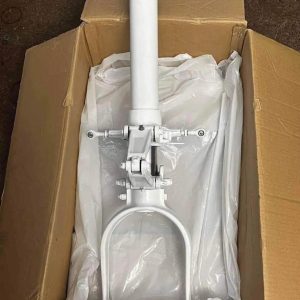
The Cessna Nose Gear Strut Assembly combines load support, controlled compression, wheel positioning, and steering-related functions within the aircraft’s complete landing-gear system.
Whether buyers search for a Cessna Nose Landing Gear Strut, Cessna Nose Gear Assembly, Cessna Landing Gear Strut, or Cessna Nose Strut, exact part identification should guide the purchase.
The Aircraft Nose Gear Strut must maintain suitable alignment, movement, sealing, structural integrity, and connection with surrounding components.
These related terms help connect the product with aircraft owners, maintenance facilities, restorers, and general aviation parts buyers.
A Cessna Replacement Nose Gear should correspond with the receiving aircraft’s approved configuration rather than being selected through appearance alone.
Understanding the Cessna Nose Gear Strut Assembly
Every dash number, suffix, revision, modification, and subcomponent marking should be recorded because similar-looking Cessna nose gear assemblies may not be interchangeable.
Informal descriptions such as complete or ready to install should be supported by an exact inventory.
Evaluating Landing Gear Structural Responsibilities
The nose gear supports a portion of the aircraft’s ground weight and transfers loads into designated airframe attachment points.
A replacement strut cannot correct damaged airframe attachment points or distorted landing-gear geometry by itself.
Maintaining Controlled Compression
Proper operation depends on correct servicing, internal condition, seal integrity, surface finish, alignment, and absence of contamination.
Qualified maintenance supports proper Cessna Nose Gear Shock Absorber operation.
Maintaining Predictable Taxi Control
The steering system should be evaluated as a complete arrangement rather than through the strut alone.
Excessive turning can damage linkage, hoses, fairings, fork components, or internal strut features depending on the design.
Aircraft Model and Serial-Range Compatibility
The phrase Cessna Nose Gear Strut Assembly should not be interpreted as compatibility with every Cessna aircraft.
The donor aircraft may provide useful history but does not independently establish eligibility for another aircraft.
Checking Chrome and Machined Surfaces
The strut cylinder and piston surfaces should be examined for scoring, corrosion, pitting, scratches, impact marks, discoloration, and evidence of improper tool use.
Unauthorized grinding, plating, machining, or surface repair should be click here disclosed.
Understanding Strut Seal Maintenance
A small film of fluid and an active leak should be distinguished using applicable maintenance guidance.
Seal replacement should use components appropriate to the exact strut assembly and aircraft configuration.
Protecting Cessna Landing Gear Components
Complete corrosion inspection supports responsible General Aviation Landing Gear Parts purchasing.
The component should be stored in a dry, controlled environment before installation.
Checking for Hard-Landing or Towing Damage
The assembly should be inspected for cracks, bending, twisting, damaged welds, distorted mounting features, and impact marks.
A damaged assembly may also indicate concerns in the surrounding airframe structure.
Wheel Fork, Axle, and Nose Wheel Components
The wheel fork should be inspected for cracks, bending, corrosion, damaged mounting points, distorted axle bores, and signs of side loading.
Tire condition can influence shimmy, ground handling, and visible strut behavior.
Torque Links, Bushings, and Pivot Points
Torque links and related pivot components help maintain alignment between moving portions of many nose gear strut designs.
Pivot points should move freely without binding while remaining within acceptable play limits.
Reducing Repetitive Landing Gear Wear
Nose-wheel shimmy can result from worn bushings, loose torque links, tire imbalance, wheel-bearing play, incorrect tire pressure, steering looseness, alignment issues, or structural wear.
Professional evaluation promotes smoother ground handling and longer component life.
Avoiding Incorrect Landing Gear Servicing
Qualified maintenance supports predictable Cessna Shock Strut Assembly operation.
Proper servicing protects the Aircraft Landing Gear Strut and surrounding structure.
Documenting Landing Gear Repair Work
Parts replaced, measurements taken, defects found, and repairs completed should be documented.
Unauthorized welding, straightening, plating, machining, or hole enlargement can affect future eligibility.
Evaluating a Used Landing Gear Component
A pre-purchase review should confirm the exact part number, configuration, aircraft applicability, serial markings, dimensions, included components, removal reason, condition, repair history, and documentation.
- Confirm the complete Cessna part number, dash number, serial or casting markings, aircraft model, serial-range applicability, strut type, dimensions, and configuration.
- Inspect or document corrosion, cracks, bends, scoring, pitting, leakage, chrome damage, worn bushings, loose pivots, elongated holes, damaged threads, fork alignment, and previous repairs.
- Inspect and photograph the assembly immediately after delivery before cleaning, servicing, disassembling, repairing, painting, or installing it.
Protecting the Landing Gear Strut in Transit
Professional packaging helps preserve the condition of the Aircraft Nose Gear Strut.
Forks and mounting features should not be used as uncontrolled lifting points unless approved for handling.
Maintaining Landing Gear Identification
Responsible storage preserves the future usefulness of the Cessna Nose Strut.
Identification records, inspection tags, hardware, seals, and supporting documents should remain associated with the correct assembly.
Installing the Cessna Front Landing Gear Assembly
Installation should be completed by appropriately qualified aviation maintenance personnel using applicable Cessna airframe, landing-gear, steering, and component information.
Hoses, wiring, fairings, controls, and nearby components should maintain suitable clearance through the steering and compression ranges.
After installation, technicians should verify strut extension, servicing, leakage, steering response, wheel alignment, hardware security, tire clearance, and freedom of movement.
Routine Inspection and Preventive Maintenance
Lubrication and servicing should follow the applicable maintenance schedule.
Maintenance records should identify findings, measurements, servicing, parts replaced, repairs, dates, and personnel involved.
Evaluating Used Aircraft Gear Pricing
Assemblies with clear photographs, complete records, transparent removal history, and identified components are easier for professional buyers to assess.
Buyers should compare complete and documented packages rather than price alone.
Final Thoughts on the Cessna Nose Landing Gear Strut
The Cessna Nose Gear Strut Assembly offers stronger commercial value when its part number, removal history, inspection status, overhaul records, included hardware, and documentation are described accurately.
Buyers should request current photographs, accurate measurements, transparent condition information, professional inspection details, protected freight arrangements, secure transaction terms, and qualified maintenance review.
Whether buyers need a Cessna Front Landing Gear Assembly, Aircraft Nose Gear Strut, Aircraft Nose Landing Gear Assembly, or Cessna Shock Strut Assembly, current physical condition should be verified.
With responsible purchasing, crack and corrosion inspection, seal evaluation, correct hardware, controlled servicing, and ground-handling checks, the component can remain a valuable aviation asset.
Report this page